
Blog
What Property Buyers Are Looking For in 2025: 8 Key Trends
The year 2025 has become a defining moment for the global real estate market. Buyers — more conscious, analytical, and demanding than ever — are gradually moving away from traditional criteria such as size, district and price. Sustainability, functionality, flexibility and overall quality of life now take precedence.
The video platform Dubadu has identified the key trends shaping demand in 2025 — among both buyers and investors in high-end real estate.
1. Size vs comfort: what truly shapes buyer decisions in 2025
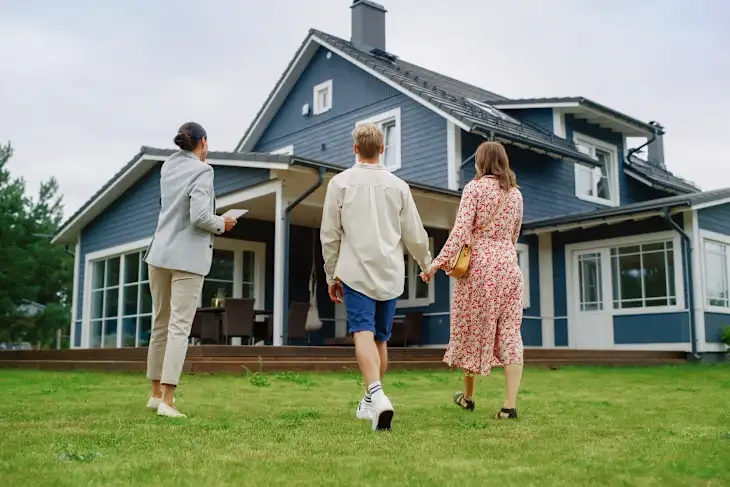
Millennials and Generation Z are now the driving force behind the market, and their approach differs markedly from that of previous generations. Size is no longer perceived as a decisive factor: instead of square metres, young buyers prioritise comfort, well-planned transport infrastructure and environmental friendliness.
Also read: Three fascinating trends in luxury real estate 2025
What matters most to them is the quality of everyday life and a reduction in daily burdens. They want to live in walkable neighbourhoods — where the shop is across the road, the park is just around the corner, and maintaining a home does not turn into a constant stream of chores.
When relocating, they are not searching for “more”, but for something more rational and more convenient.
2. Eco-friendly and energy-efficient homes: the market’s core demand in 2025
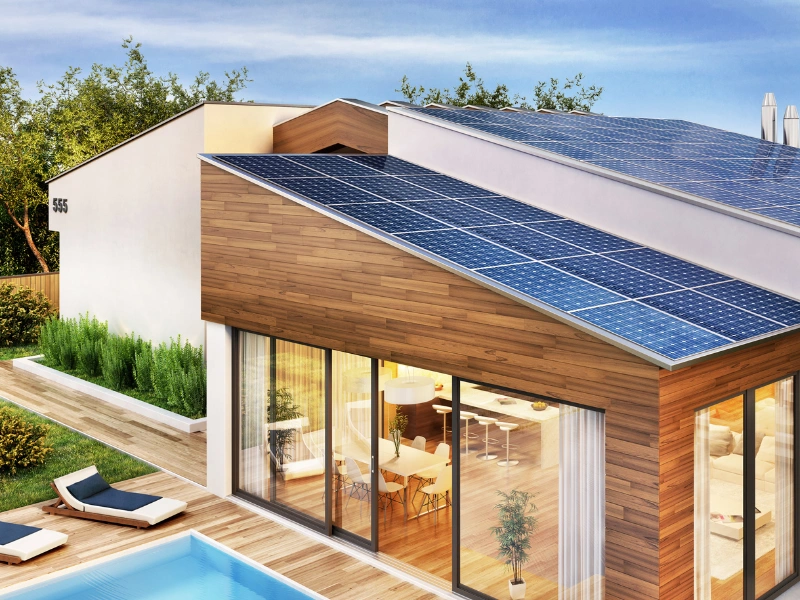
Environmental performance has become not merely an advantage but a critical factor. Rising fuel prices and growing climate anxiety have created unprecedented demand for “green” homes.
Buyers are now looking for:
• solar panels
• smart thermostats
• energy-storage batteries
• next-generation insulation
• natural materials
Also read: Living differently: houseboats, tiny homes and earth houses — three property formats of the future
Environmental awareness naturally merges with energy efficiency. Modern systems reduce utility and electricity costs, create a healthy microclimate and align with the ecological mindset of millennials and Generation Z, who are actively entering the market.
Such homes are perceived not only as comfortable places to live but also as safe, forward-looking investments — particularly in an era of long-term economic fluctuations.
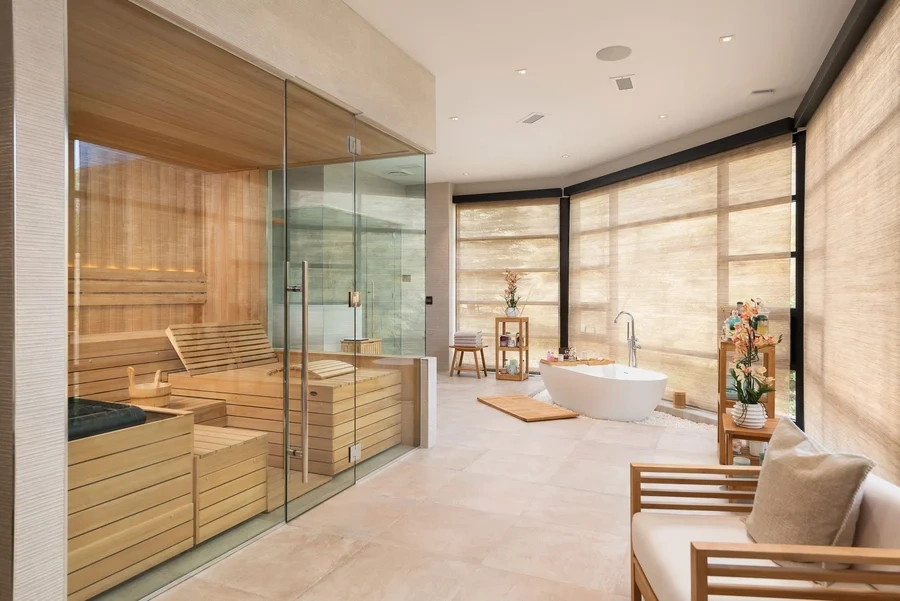
3. Spa baths, fitness areas and saunas: the rise of wellness-oriented homes
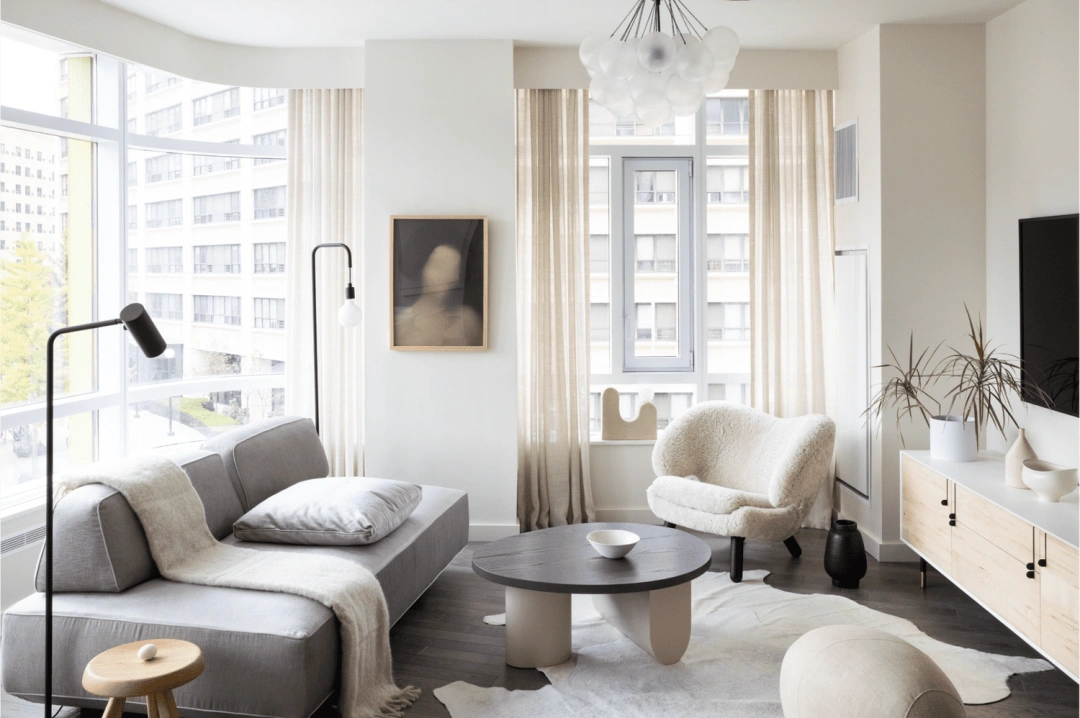
At the intersection of sustainability, energy efficiency and domestic comfort, another powerful trend has emerged — wellness design. A home is no longer simply a place to live; it becomes a space for restoration. Home gyms, saunas and small pools have become new symbols of status and convenience.
Increasing attention is given to details: high-quality ventilation, thoughtful lighting, sound-absorbing materials, meditation zones and quiet areas for rest. The most sought-after wellness feature remains the large SPA-style bath — a true centre of relaxation within the home — followed by compact yet carefully planned home fitness studios.
This is a new language of status: not ostentatious shine but health, balance and a personal environment for recovery, where self-care becomes an effortless part of daily life.
4. Flexible spaces — a must-have for the era of online work
Remote work has long ceased to be temporary — it has become the norm.
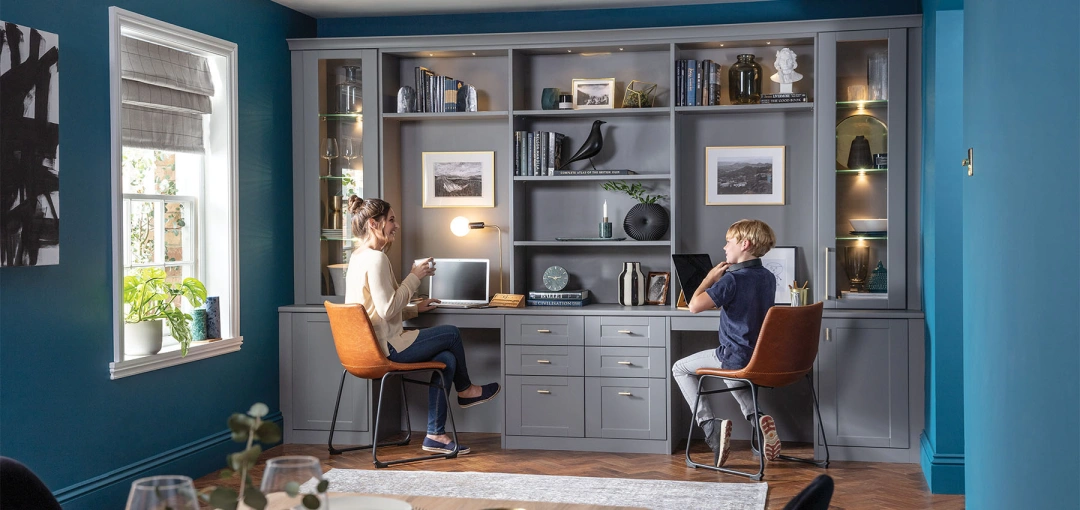
This has changed the very concept of home: it must now include multifunctional rooms capable of adapting to both professional and domestic needs.
Particularly popular are:
• transformer rooms that serve as an office during the day and a guest room in the evening
• separate studies that allow for quiet, focused work
• zones that can be quickly repurposed by rearranging furniture or adjusting layout
Also read: How to choose the interior that suits you? Tips and design trends for 2025
Flexibility has become a defining requirement. A modern home must adapt to its owner — to their schedule, habits and expectations — rather than impose limitations. Such homes create a sense of ease and freedom, precisely what buyers are seeking in 2025.
5. Quiet luxury in real estate: gardens, sustainability and heritage
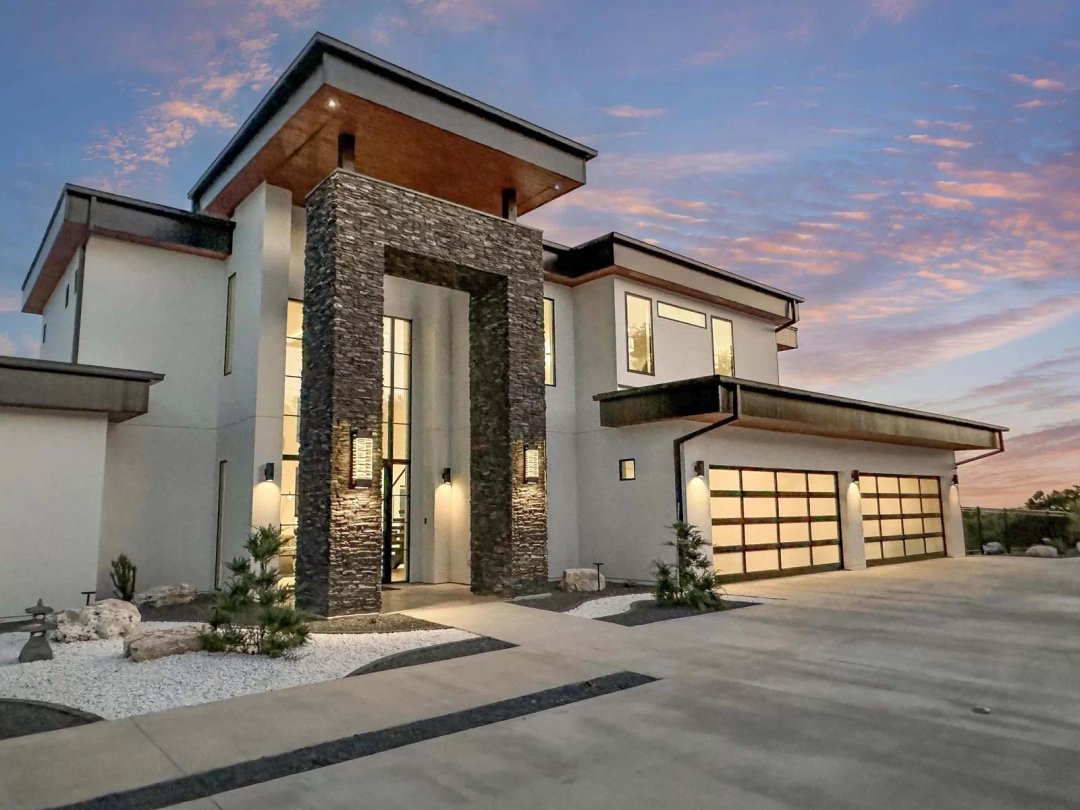
Affluent buyers are increasingly turning away from conspicuous luxury and bold architectural statements, preferring privacy, environmental consciousness and genuine quiet.
Their key criteria now include:
• a private garden offering personal contact with nature
• natural materials that age beautifully and provide a sense of authenticity
• energy efficiency ensuring comfort without excessive expenditure
• original, often historical architecture imbued with character and heritage
High-end buyers are steadily shifting from “grand” mega-mansions toward properties offering not performative luxury but deep, considered comfort.
A home where one can recover, focus and spend meaningful time with loved ones has become the highest form of privilege.
6. Investors remain focused on income-generating properties
Demand for rental property continues to grow in 2025, and investors increasingly see the real estate market as one of the few stable sources of income.
Amid global uncertainty, real estate retains its status as a “safe harbour”.
Their primary focus includes:
• multi-family buildings
• long-term rental properties
• turnkey management projects enabling income without deep operational involvement
Also read: Eight reasons why an apartment in the UAE is your lucky ticket
The main motivation is predictable passive income. Investors choose assets capable of generating stable cash flow and preserving value even during economic volatility.
As a result, income-producing real estate has become an essential component of thoughtful financial strategy and one of the most reliable means of protecting capital.

7. The evolution of search queries: from “apartment in Dubai” to “dream home”
The 2025 buyer is someone who studies neighbourhoods, infrastructure, market analytics and the general atmosphere of an area before considering a specific property. People no longer simply type “homes for sale in Dubai” — they look for a lifestyle that matches their values.
Also read: AI in real estate: from distance calculations to virtual interiors
Today’s most frequent queries include:
• “eco-friendly homes near me”
• “best neighbourhoods for remote work”
• “communities with low HOA fees”
• “walkable neighbourhoods”
• “homes with a home office”
Lifestyle-based searches have grown significantly: what matters is not only the property itself, but how one will feel within the chosen environment — from school quality to access to co-working spaces.
8. Video in real estate: the key trend of 2025
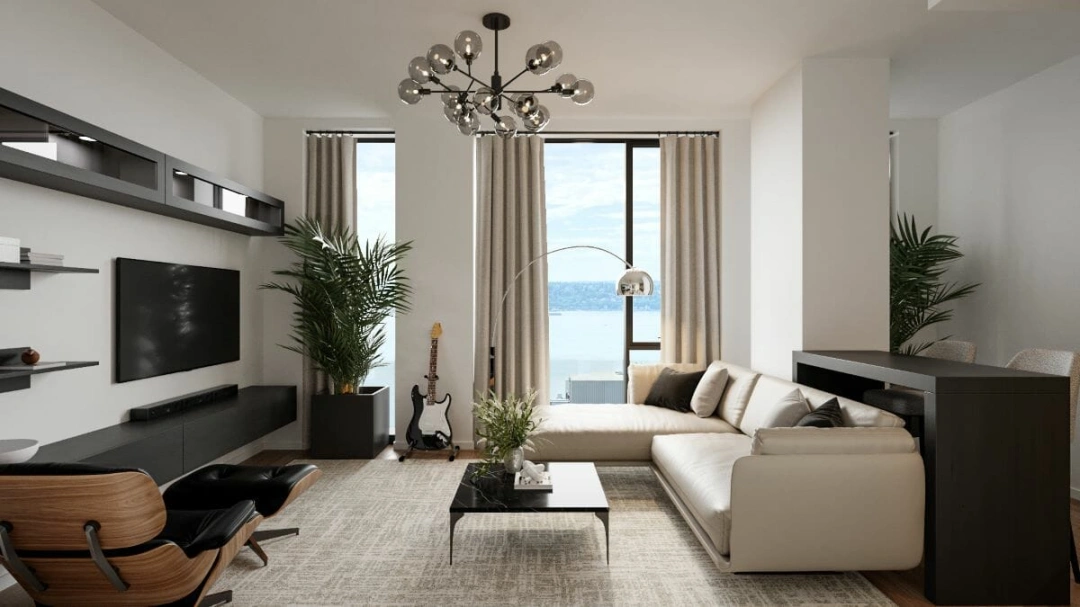
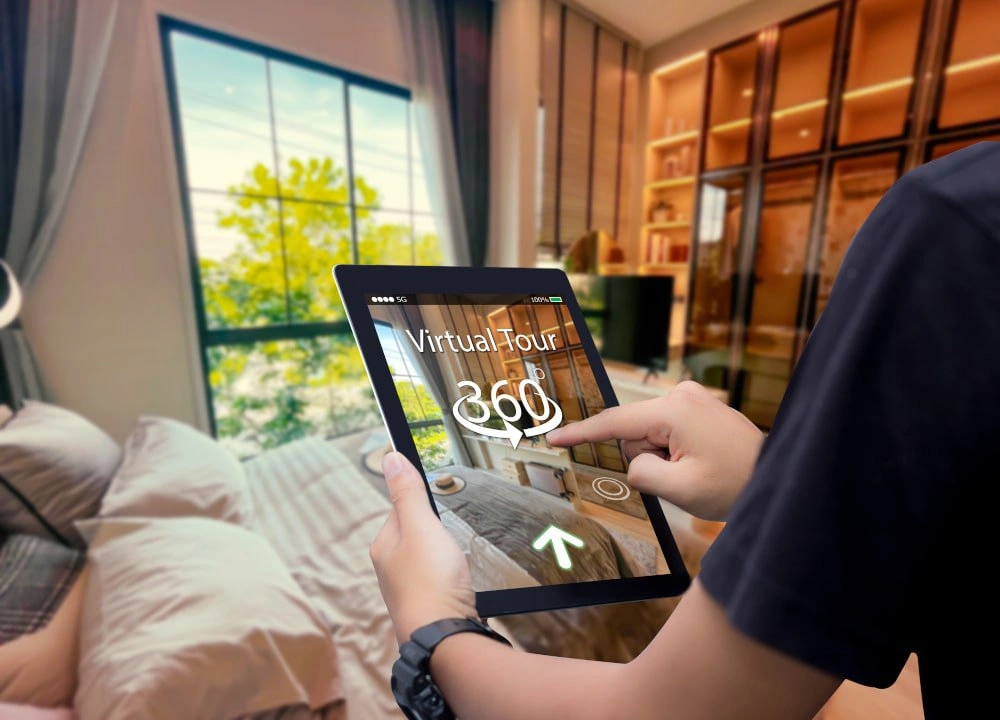
Buyers today want to “visit” a property without leaving the sofa. They choose listings that allow them to experience the space realistically. A collection of random photos is no longer enough — they need to see the home with their own eyes. And this is where video takes centre stage. It has become the leading tool for trust, transparency and emotional engagement.
Most in demand are:
• short real-life videos
• Reels and TikTok tours
• drone footage
• 3D tours
• interactive maps
• honest, unedited shots
People need to feel how a home “lives”: the movement of light, the depth of rooms, the surrounding environment, the natural rhythm of the space. Video captures details impossible to convey through photos — the sound of the street, reflections of sunlight, the real scale and atmosphere. This sense of presence helps buyers make decisions faster — making video content a defining factor in the 2025 property search.
Dubadu: the videoplatform transforming the real estate market
Every property on Dubadu is presented through video tours and real-life footage in an authentic, unfiltered manner. The platform emphasises honest angles, a true sense of space and maximum clarity — precisely what traditional photo-based listings fail to provide.
Through advanced smart maps, analytics and AI-powered tools, Dubadu shows a property not only from the inside but within the broader context of its surroundings — helping users understand real distances, infrastructure and the overall quality of the neighbourhood. The platform already unites around 30,000 video listings from the UAE, Kazakhstan, Germany and Ukraine, making it one of the largest next-generation video catalogues in the real estate market.
In addition, Dubadu continues to develop tools for agencies — from the Digital Agency Hub (DAH) to new video-first presentation formats. As a result, the property search experience becomes more transparent, emotionally intuitive and convenient — exactly what modern buyers and renters expect.