
Blog
Underground Real Estate: How Global Instability Is Driving the “Panic Industry”
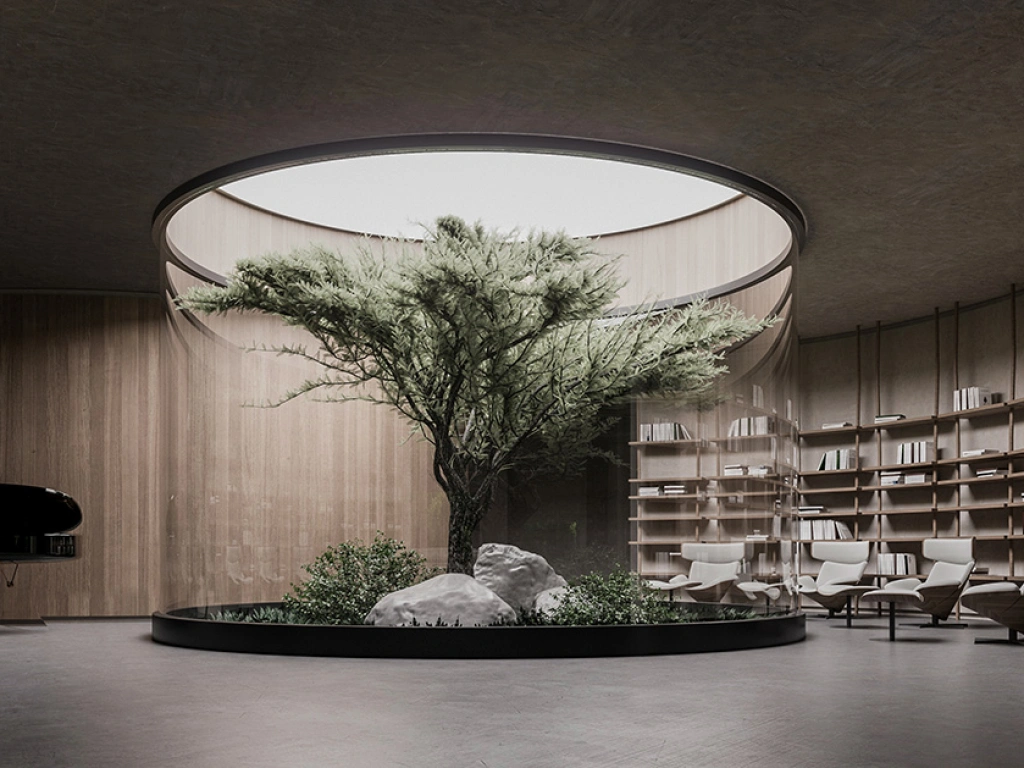
Do you know what is becoming one of the most desirable assets for the world’s elite today? It’s not a white villa with panoramic sea views. Instead, it’s a space with minimal windows — or none at all — no scenic views whatsoever: an underground bunker.
Dubadu explores the new realities of the real estate market.
The Panic Industry
Owning a bunker for any end-of-the-world scenario has now become almost a norm for any self-respecting billionaire.
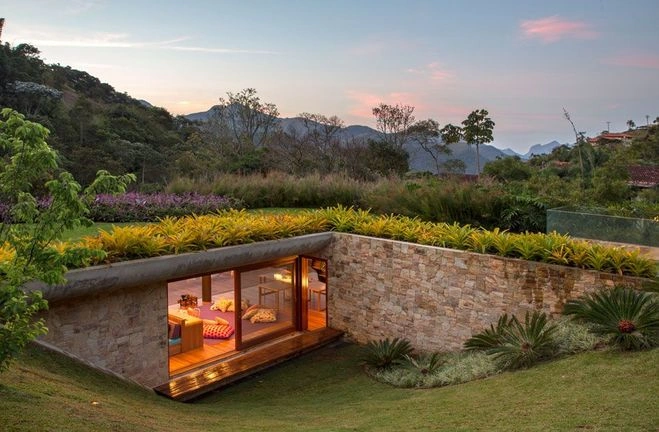
“The panic industry” is how media describe the rapidly growing interest in underground real estate. As global tensions intensify, people are increasingly seeking ways to cope — often through building shelters that range from simple concrete bunkers to luxurious underground residences.
Also read: Luxury real estate 2026: a test of resilience
Experts analyzing this trend highlight several key drivers behind its growth:
• geopolitical instability
• fear of nuclear and military threats
• climate disasters
• a desire for autonomy under any circumstances
• advances in construction technologies
Luxury Toys for Millionaires
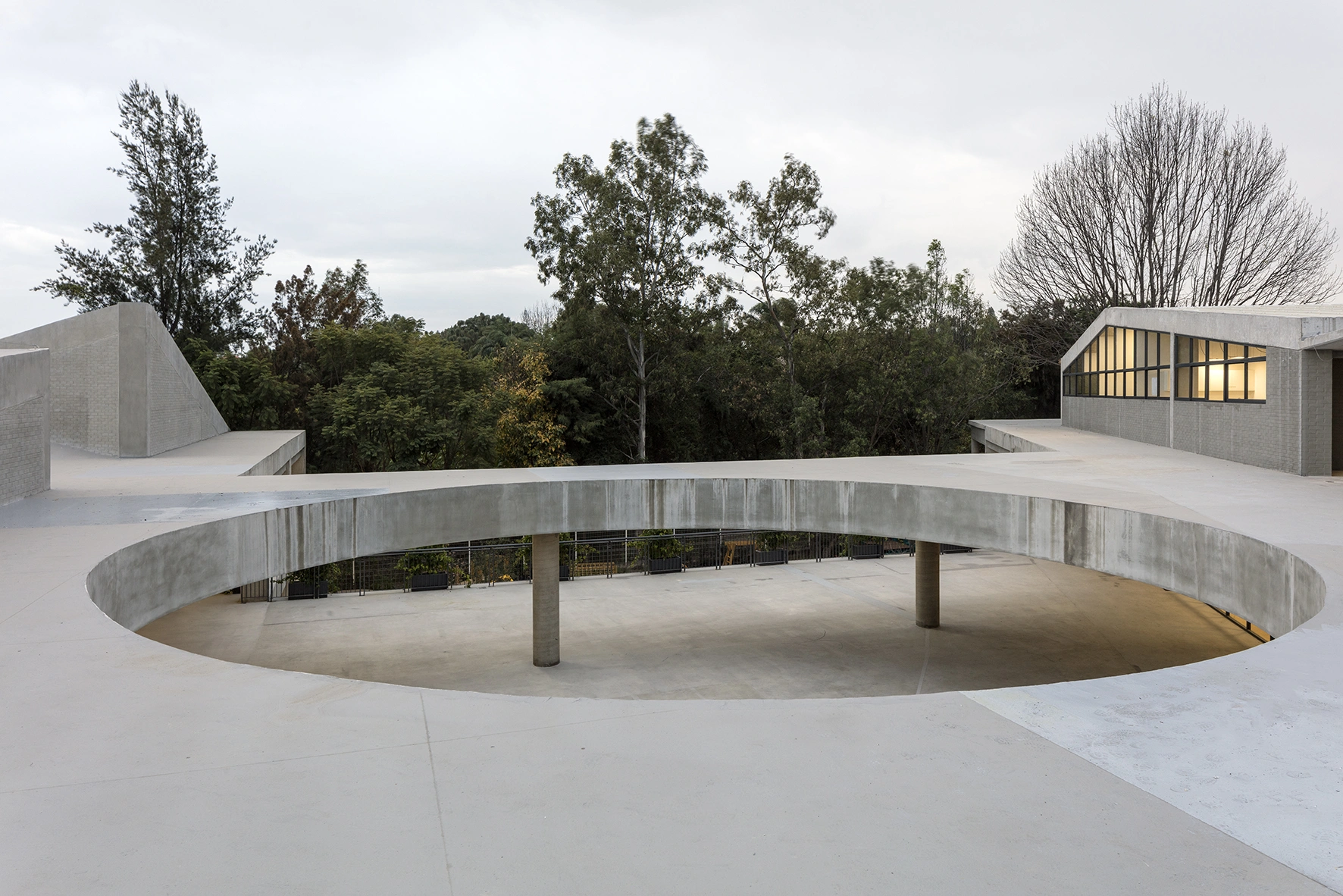
For the global elite, bunkers have become a new form of luxury — collectible assets comparable to supercars or private jets.
For example, the American company Atlas produces around 300 bunkers annually at its factory in Sulphur Springs, Texas. Ron Hubbard, the company’s owner, stated that in 2023 he designed a 2,000-square-foot shelter for Mark Zuckerberg as part of his $270 million Hawaiian estate.
Another striking example is Raven Ridge 11 — part of the Survival Condo project in Kansas, built inside a former Atlas missile silo. It features 15 underground levels with a swimming pool, hydroponic garden, cinema, library, climbing wall, bar, and even detention cells, a decontamination area, and a sniper position.
A different approach is taken by SAFE, a Virginia-based security design firm, which developed the Aerie project. It envisions a network of luxury residential bunkers across 50 U.S. cities, with plans to expand to up to 1,000 units worldwide.
These properties, priced in the millions, are shaping a new architecture of security. In essence, this is a parallel — and still relatively discreet — segment of the real estate market: private shelters designed not only for survival in extreme conditions but also for maintaining comfort, exclusivity, and the full spectrum of lifestyle ambitions.
The privileged aim to preserve their привычный level of luxury under any circumstances. Even in the face of an apocalypse — with a glass of the finest champagne.
The Middle Class Joins the Race
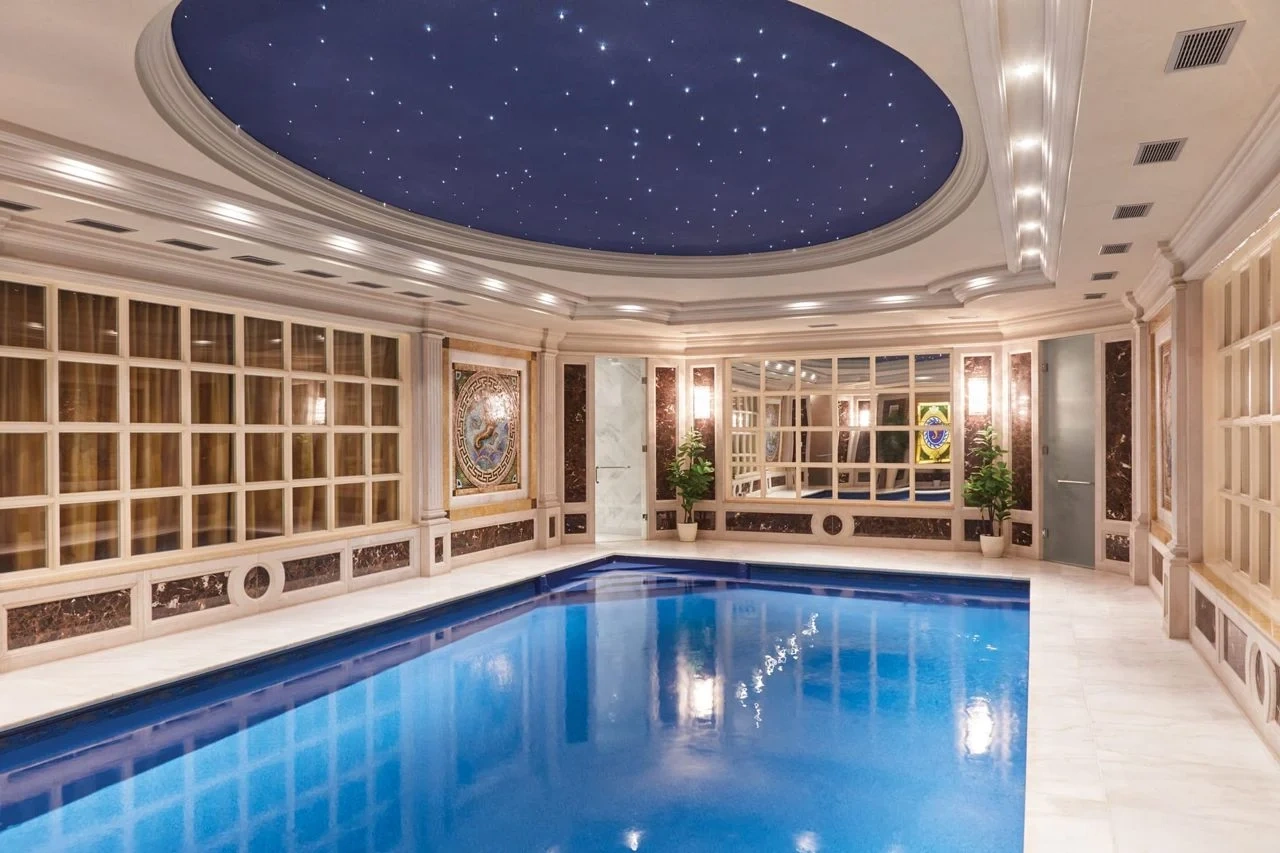
Safety is no longer a privilege reserved solely for the ultra-wealthy. The middle class is also trying to take control of the situation — as much as their financial means allow.
According to a 2023 survey reported by The New York Times, one-third of U.S. adults are preparing for an apocalyptic scenario, spending a combined $11 billion annually. Financial Times also notes that the design, construction, and sale of nuclear shelters and private tunnels are experiencing global growth, which is gradually driving prices down.
Also read: Asia-Pacific Real Estate Market at the beginning of 2026: What Is Really Changing
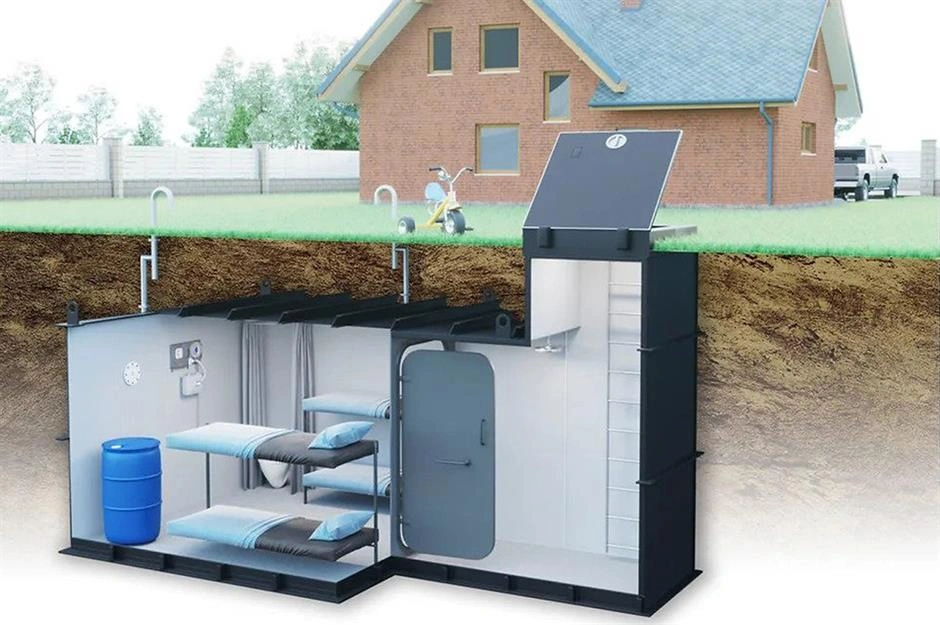
Companies such as The Panic Room Company and Nuclear Bunker Company, which previously offered bunkers priced between $130,000 and over $3 million, are now expanding their offerings with more affordable options.
Ron Hubbard, CEO of Atlas Survival Shelters, told The New York Times that his company also sells bunkers for as little as $20,000 — specifically designed for middle-class buyers.
Champions of Preparedness
Some countries are far more prepared than others.
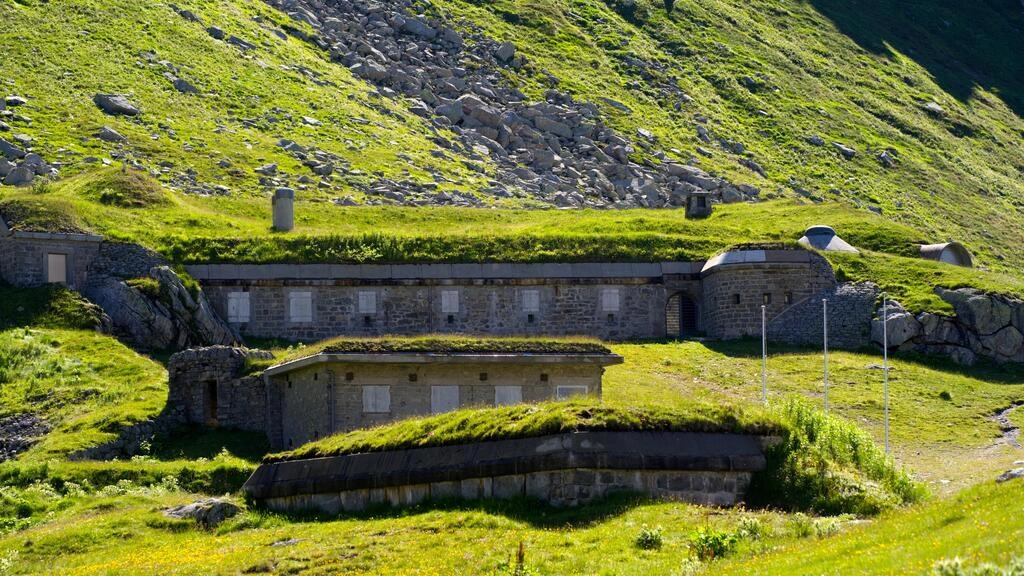
In Switzerland, emergency preparedness is effectively part of the national culture: military or civil defense service is mandatory, and the country maintains a network of approximately 370,000 private shelters, enough to protect each of its nearly 9 million residents.
In 2026, a new civil protection law will come into force, providing for the modernization of 200 larger bunkers at a total cost of $276 million over 15 years. In addition, developers will be required to pay higher fees to local authorities to fund public shelters — increasing from around $1,000 to over $1,700 per person.
Even in traditionally carefree Italy, demand for bunkers has surged. According to a Euromedia Research survey published in La Stampa in March 2025, 42.2% of Italians fear a third world war; among young people, the figure rises to 85.4%. As a result, TikTok increasingly features influencers promoting nuclear shelters.
Germany is also working on plans to rapidly expand its network of shelters. Of the roughly 2,000 bunkers remaining from the Cold War era, only about 580 are currently operational, and most require significant investment for renovation. These shelters could accommodate around 480,000 people — just 0.5% of the population. The German government has acknowledged the issue and is working on solutions.
For comparison, Finland has around 50,000 shelters designed to accommodate 4.8 million people — about 85% of its population — making it one of the most prepared countries in Europe for crisis situations.
As global tensions continue to rise, demand for personal security solutions is likely to grow further. However, the industry will also have to address complex challenges — from public perception to the actual effectiveness of such shelters, as well as ethical concerns, including profiting from fear.
The panic industry is raising the stakes — and the world is being forced to acknowledge it.