
Blog
Asia-Pacific Real Estate Market at the beginning of 2026: What Is Really Changing
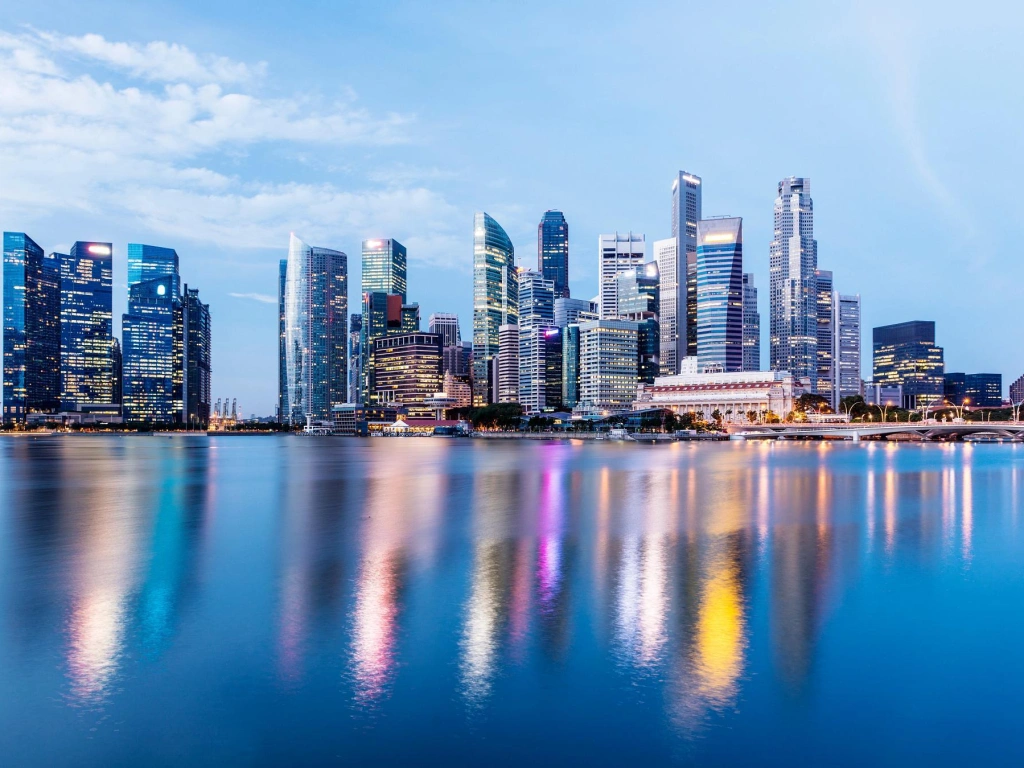
The Asia-Pacific real estate market is entering 2026 in a state of cautious yet tangible transition. After several years of instability caused by the pandemic, geopolitical risks, and rising capital costs, the market is gradually finding a new equilibrium.
Also read: Trends in the European Real Estate Market Through 2026: Looking Ahead
According to the latest Emerging Trends in Real Estate® Asia Pacific 2026 report by PwC and the Urban Land Institute, investor sentiment has improved noticeably compared to last year. However, the recovery remains uneven: while some markets and sectors show confidence and resilience, others continue to face significant structural challenges.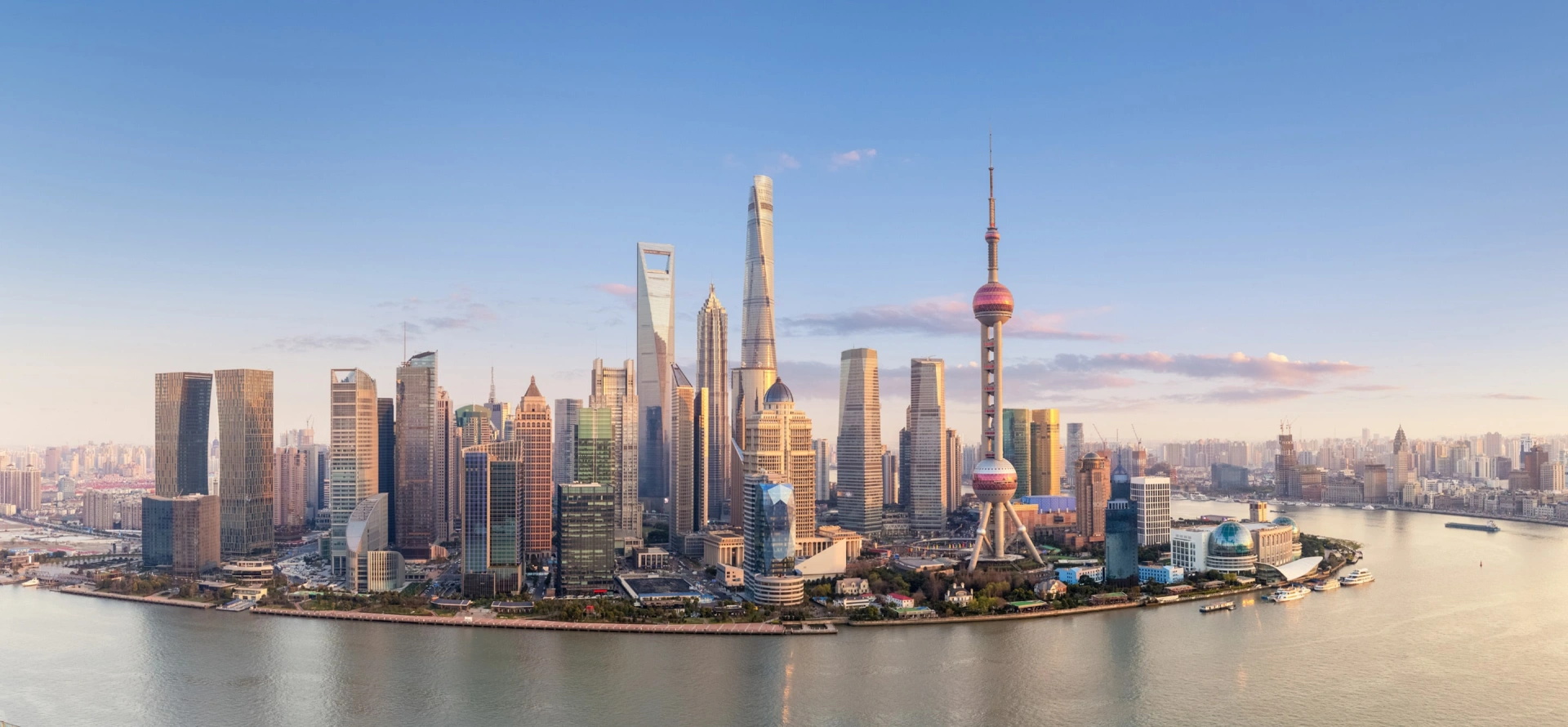
A Shift in Investment Logic
Not only is the geography of investor interest changing, but so is the logic behind investment decisions. Investors are increasingly prioritizing transparent, well-regulated markets and assets capable of preserving value amid ongoing uncertainty.
The report highlights several key shifts:
- capital is flowing toward digital infrastructure and residential asset classes;
- demand is growing for assets with clear, predictable operating models;
- ESG — environmental, social, and governance standards — together with technology are no longer optional but have become a baseline requirement for investment strategies;
- cities with strong governance and stable demand are gaining strategic importance.
Against this backdrop, developed markets in the region — Japan, Singapore, and Australia — are strengthening their positions once again. They are perceived as “safe havens” for capital thanks to transparent rules, high liquidity, and predictable market conditions.
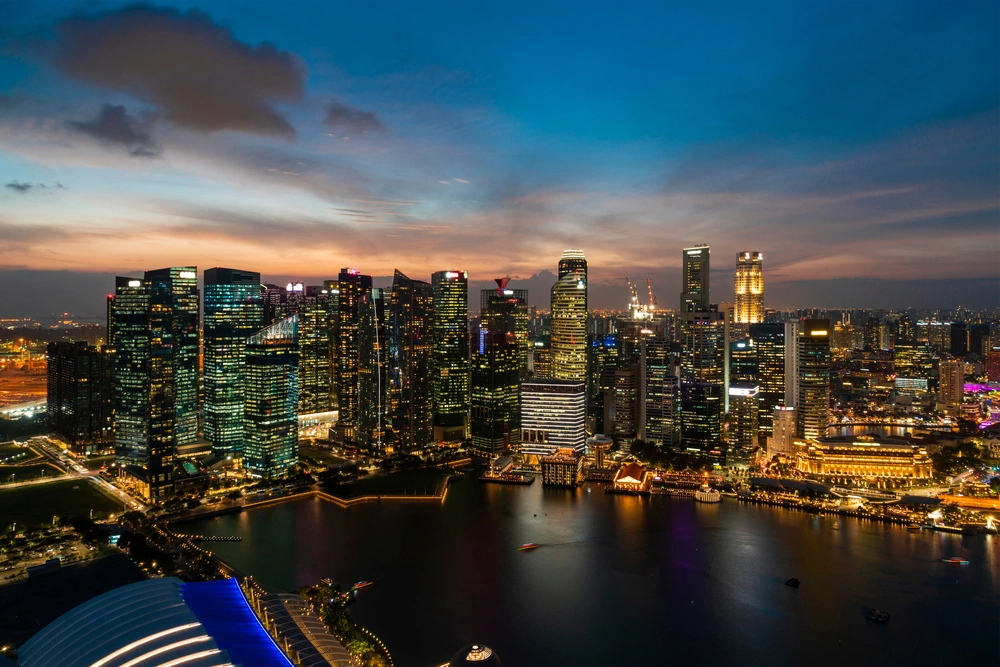
China, by contrast, continues to experience pressure from excess property supply, elevated vacancy rates, and cautious investor sentiment, which collectively constrain new capital inflows.
India, on the other hand, is demonstrating selective growth. Investor interest is concentrated in specific cities and sectors, supported by sustained economic expansion, demographic demand, and ongoing regulatory reforms.
The overall conclusion of the report is clear: the Asia-Pacific market is not entering a phase of rapid expansion but is instead moving toward a more mature and deliberate development model, where asset quality, strategic positioning, and a clear understanding of long-term trends play a decisive role.
Key Asia-Pacific Cities Setting the Tone for 2026
Tokyo — No. 1 in the Investment Rankings
Tokyo retains its status as the region’s leading safe haven. High liquidity, transparency, and strong fundamentals across the office, residential, and hospitality sectors continue to attract institutional investors. Despite rising construction costs and labor shortages, the city’s structural advantages make it one of the most resilient investment opportunities heading into 2026.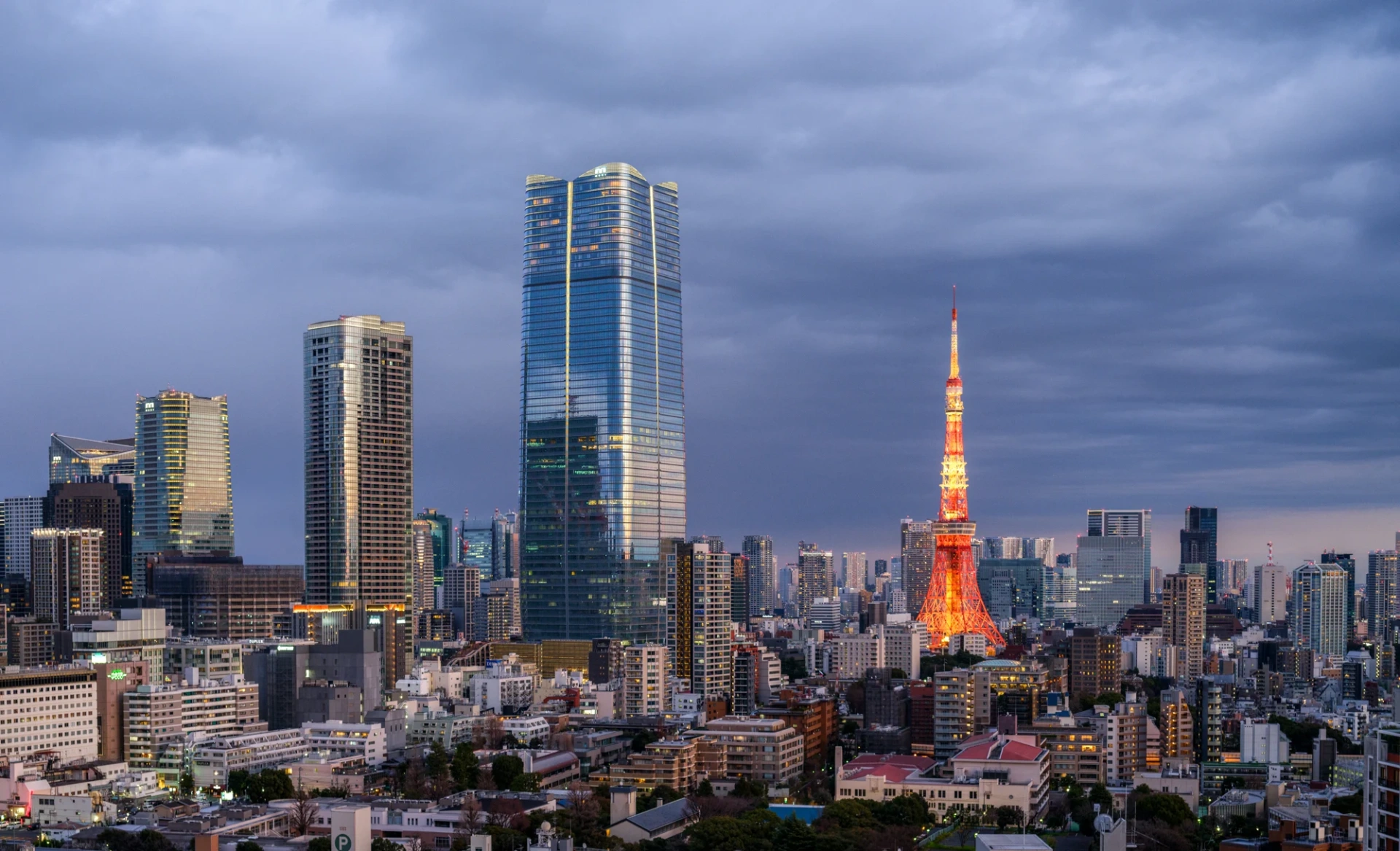
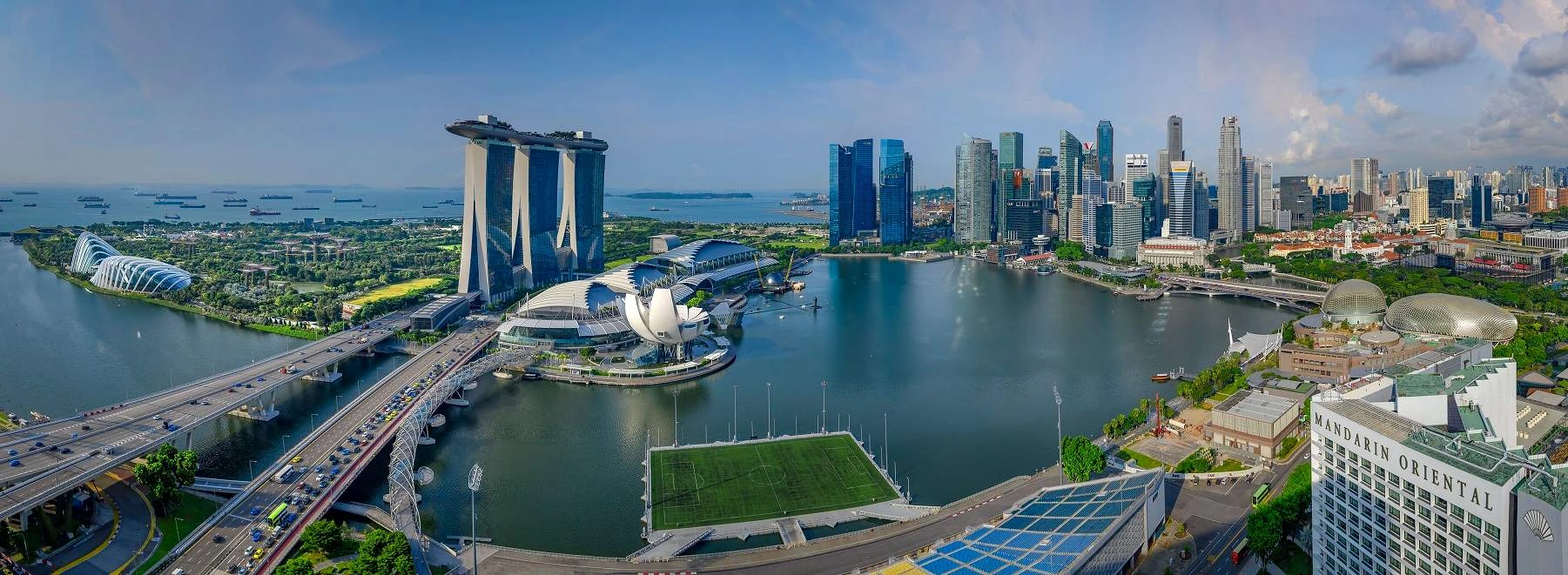
Singapore — Stability and Global Capital
Singapore remains a core financial and investment hub in the region. Low office vacancy rates, sustained demand from multinational corporations, and advanced digital infrastructure support market performance. Land and power constraints in the data center sector are driving growth in neighboring markets, but they do not diminish Singapore’s strategic importance.
Sydney — A Focus on Quality
Sydney benefits from investors’ growing preference for ESG-compliant assets. Premium-grade offices, a resilient logistics sector, and a revival in retail real estate shape a balanced profile for the city as one of Australia’s key investment hubs, combining stability with long-term growth potential.

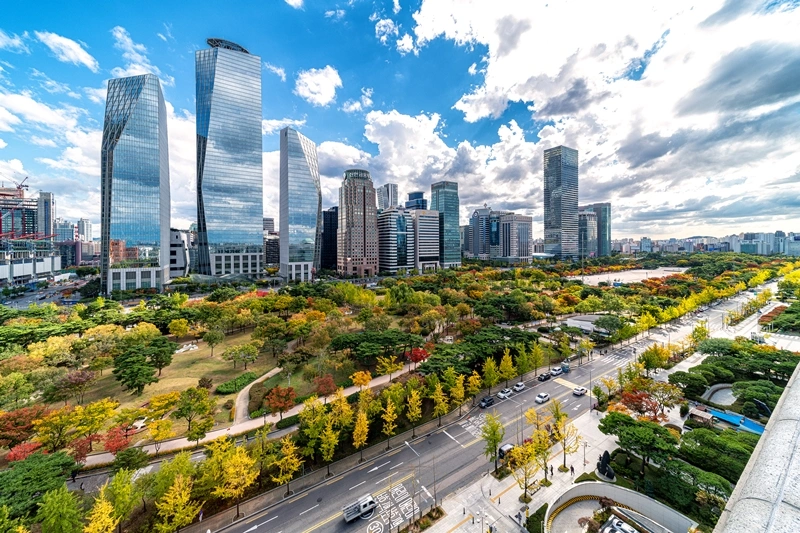
Seoul — Diversified Growth
Seoul is strengthening its position as a safe haven in Northeast Asia. Rising foreign investment, a stable office market, active residential development, and record-breaking performance in the hospitality sector create a multi-layered and diversified investment landscape.
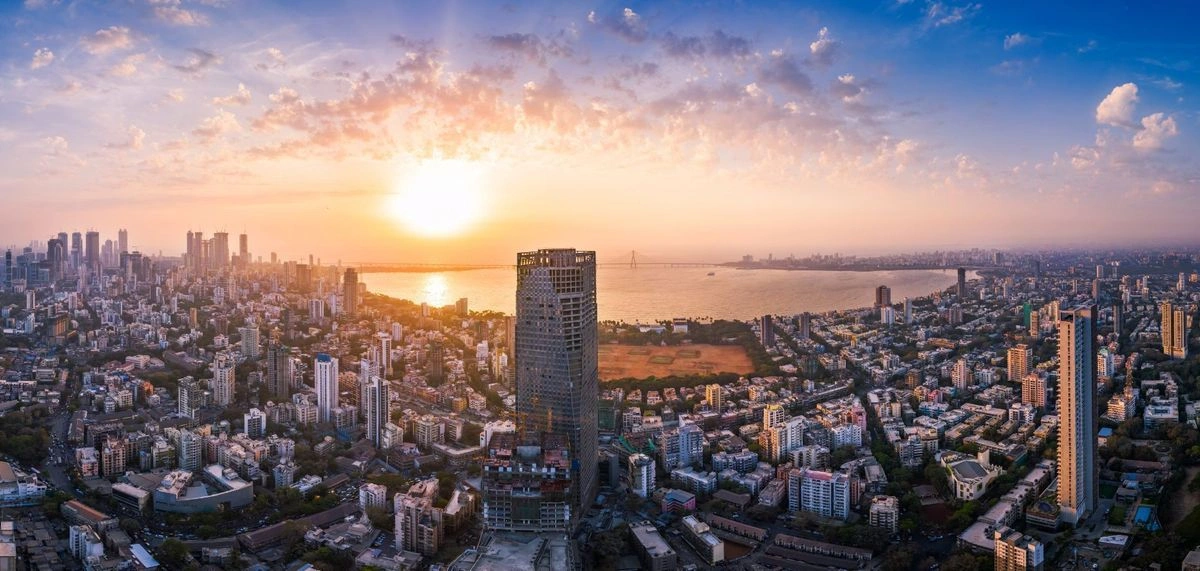
Mumbai — Infrastructure as a Growth Driver
Large-scale infrastructure projects and Mumbai’s role as India’s financial center continue to support investment activity. Despite challenges related to housing affordability and operational complexity, the city remains a key emerging market with strong long-term potential.
Shanghai — Cautious Optimism
Shanghai maintains its position as China’s most liquid real estate market. Domestic institutional capital continues to support activity, while the adaptive reuse of outdated office stock is gaining momentum. Nevertheless, high vacancy levels remain a structural challenge, limiting short-term market dynamics.