
Blog
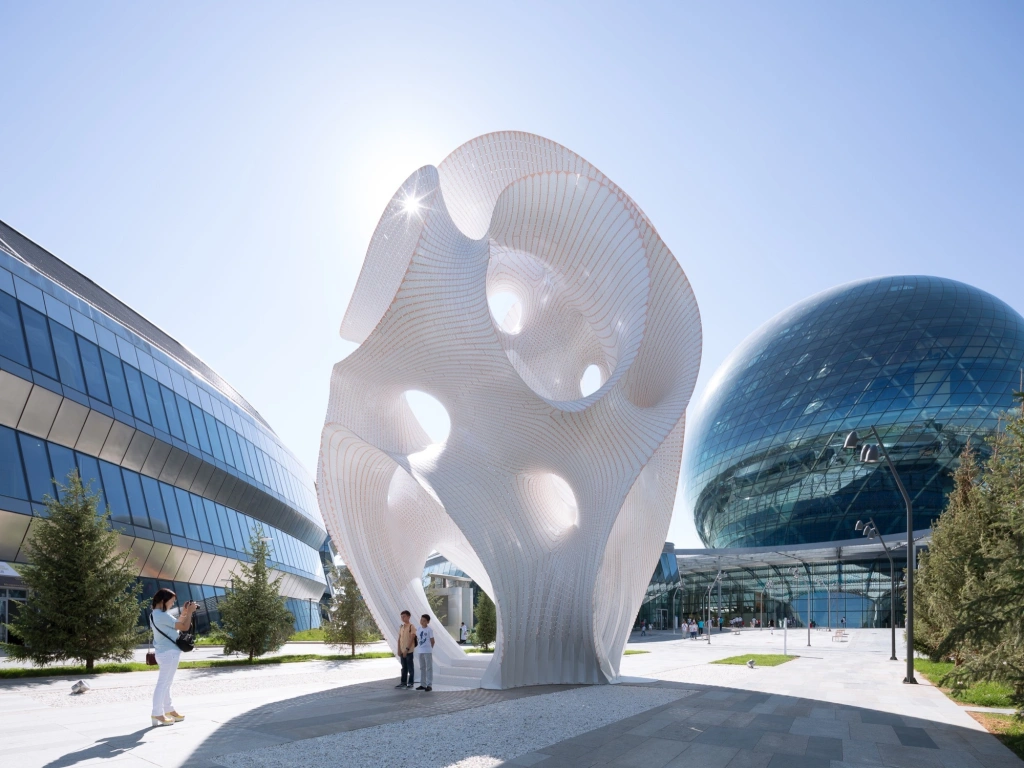
Kazakhstan real estate 2025: growth, maturity, and new opportunities
In recent years, investors have been paying closer attention to Kazakhstan — a young, fast-developing market that stands out for its balance and long-term potential.
Unlike overheated global real estate hubs, Kazakhstan’s property sector is evolving steadily, combining affordability, stability, and attractive returns.
Dubadu, the video real estate platform, explores how the market looks in 2025 and where it’s heading next.

From boom to balance: the evolution of Kazakhstan’s real estate market (2020–2025)
The Kazakh real estate market has undergone a visible transformation, from rapid expansion to sustainable maturity.
After the temporary slowdown caused by the 2020 pandemic, the market rebounded strongly by 2021. Government-backed mortgage incentives and the ability to use pension savings toward home purchases triggered a surge in demand and a sharp rise in prices.
By 2023, the market had stabilized, and in 2024 price growth slowed to a moderate 3% for new builds and 4% for resale properties. High inflation, meanwhile, reduced the real value of housing costs.
Read also: German real estate: 2020 to 2025
By 2025, Kazakhstan’s property market had reached a balanced stage. Prices for new developments grew by about 6%, and resale homes by 7%. In major cities, price per square meter ranged between $1,200 and $1,800 depending on location and class. Rental yields climbed by 8–10%, reaching 10–12% in some regions — placing Kazakhstan among Central Asia’s most promising investment destinations.
In July 2025, nearly 40,000 transactions were registered — up 20% from the previous month — confirming the population’s growing interest in property as both a secure asset and a long-term investment tool.
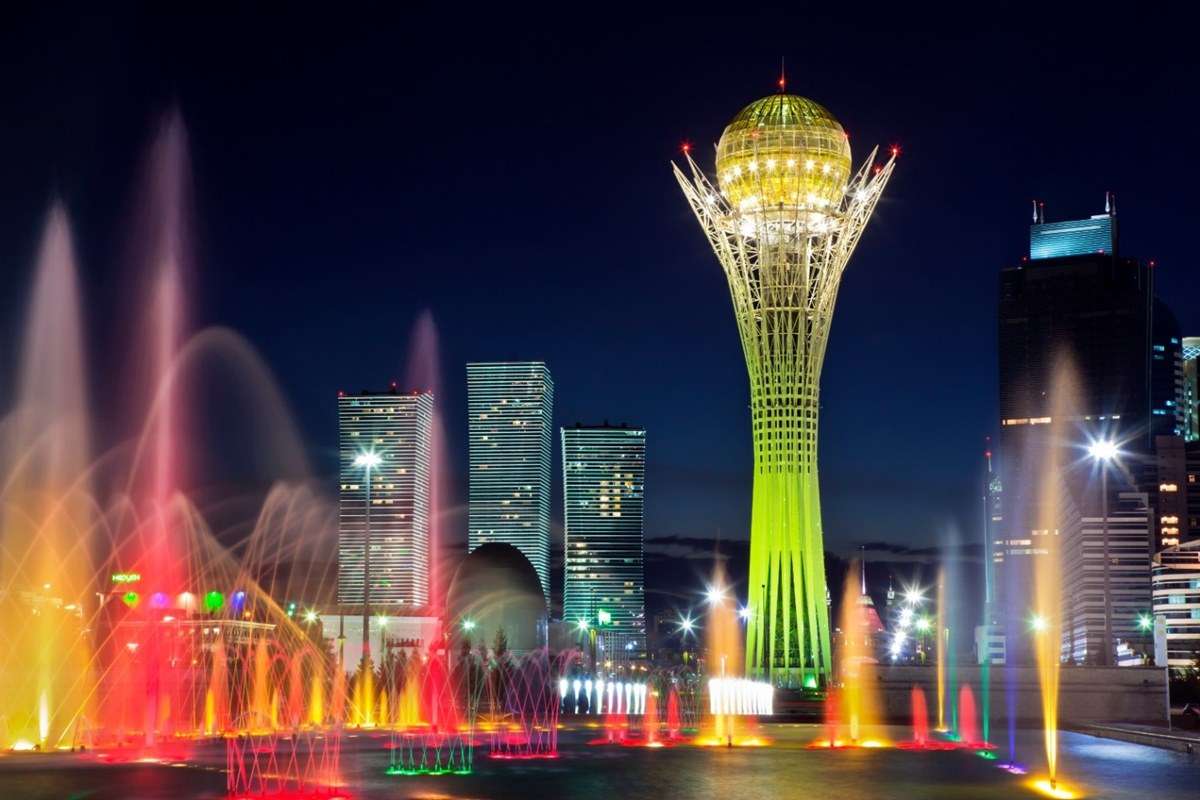
Transitional year for Kazakhstan’s real estate: stability through reform
Amid this steady growth, 2025 became a transitional year. New co-investment laws came into force, mortgage programs were adjusted, and developers began preparing for a VAT increase scheduled for 2026. These regulatory changes temporarily slowed new project launches but increased buyer trust and overall market transparency.
According to the Association of Kazakhstan Developers, these reforms will lay the foundation for a more professional and transparent real estate environment by 2026.
Developers still report stable price growth — around 6–8% annually, and up to 10–12% in key areas. The average price per square meter reached approximately 500,000 ₸ nationwide. The most active markets remain Almaty, Astana, and Shymkent, which account for over 40% of all new-build transactions.
Read also: Boom or bubble? What happened to the UAE real estate market over the last 5 years
Buyers have become more selective, prioritizing quality, well-planned infrastructure, and energy efficiency. In response, developers are improving design, adopting new technologies, and shifting toward more transparent practices.
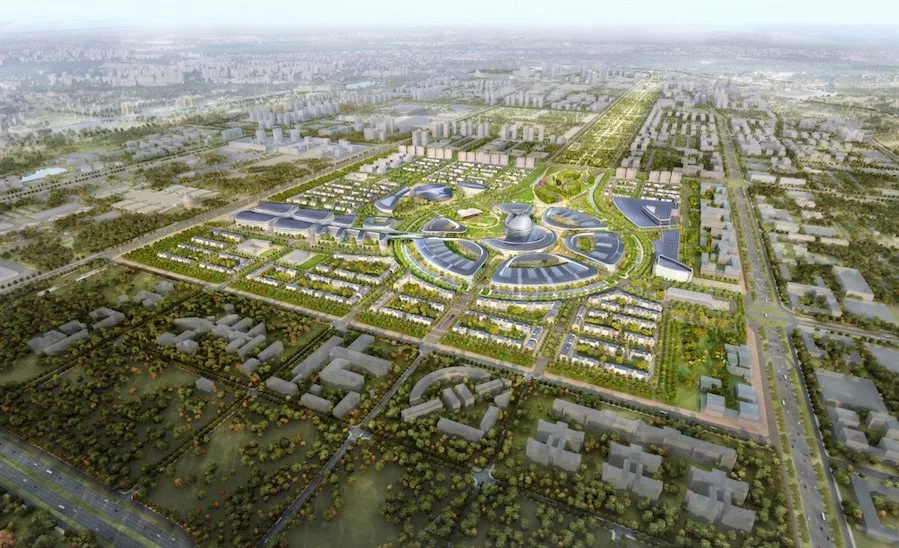
Almaty, Astana, and Shymkent: the three growth poles
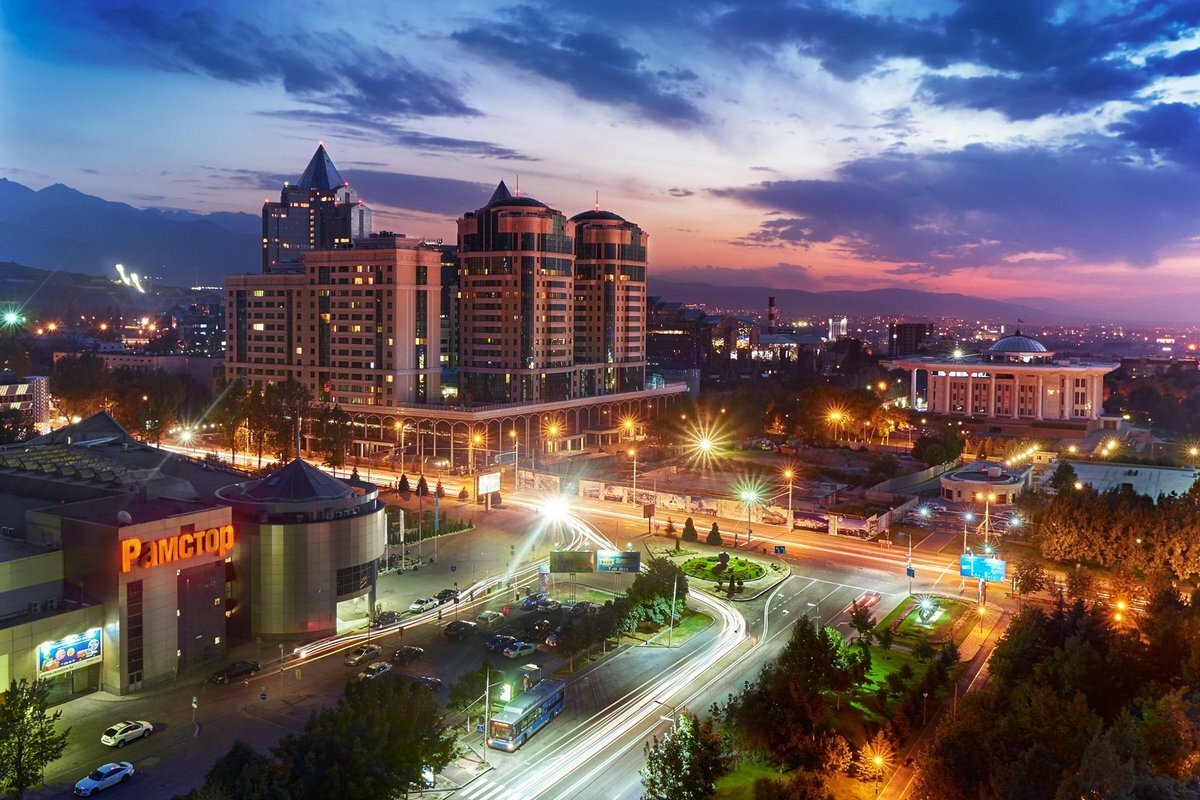
Almaty remains the country’s most mature and expensive market, with strong demand for comfort- and business-class housing as well as investment apartments. Limited land supply and rising construction costs push buyers toward emerging districts and suburbs, while rental yields here remain among the highest — 6–8% annually.
Astana is developing even more dynamically. The capital continues to expand with new residential clusters featuring modern infrastructure and transport links. While average prices are lower than in Almaty, the potential for capital growth is higher, supported by internal migration, government programs, and foreign investor interest.
Shymkent, with its young population and rapid growth, is turning into the southern hub of the property market. Affordable housing dominates, with yields reaching 7–9% per year. It’s a fast-turnover market with a low entry threshold — ideal for first-time investors.
Beyond these major cities, new investment destinations such as Lenger, Kokshetau, Karaganda, and Kostanay are gaining attention. Prices remain moderate, but transaction volumes are rising steadily, and rental returns of up to 12% make them promising for long-term growth.
Housing boom continues: building a sustainable future
Kazakhstan maintains some of the fastest construction rates in the region. A decade ago, annual completions totaled around 10 million m²; by 2025, the figure nearly doubled. In 2024, around 19 million m² of new housing was completed, with at least 19.2 million m² expected in 2025 — roughly 180,000 new apartments. More than half of all new housing is concentrated in Astana, Almaty, and surrounding regions.
Read also: Eight reasons why an apartment in the UAE is your lucky ticket
Tightened co-investment rules and tax reforms are pushing developers to focus on quality, energy efficiency, and urban landscaping. BIM-based design is being widely adopted, improving planning and engineering transparency. Despite the rapid pace of construction, demand — especially in the affordable housing segment — remains strong.
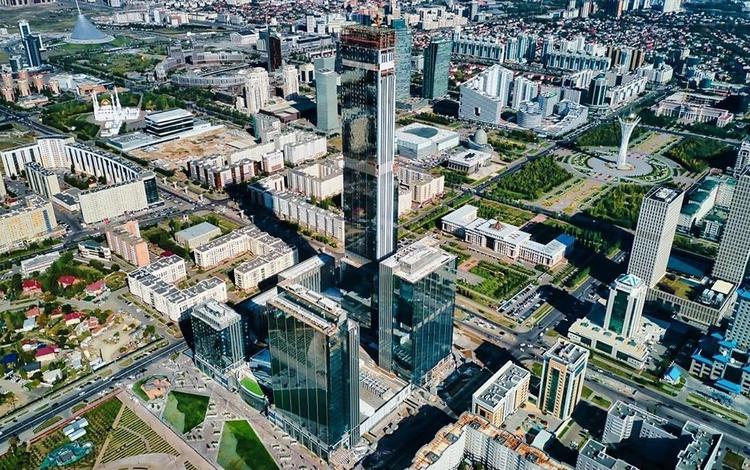
Kazakhstan through the eyes of an investor
For investors, Kazakhstan represents one of the most balanced and accessible markets in Central Asia. It combines high yield potential, moderate entry costs, and a predictable regulatory environment.
Average rental yields in Almaty and Astana range from 7–9%, while in regional cities they can reach up to 12%. Even after 2025’s price growth, the average housing cost remains around $1,300 per m² — significantly lower than in Europe.
Read also: Guide for Investors: How to Buy Property in Dubai in 2025
Investors cite key advantages: stable demand, high liquidity in major cities, relatively low taxes, and no restrictions for foreign buyers. The market is also becoming increasingly digital, offering online booking, payment flexibility, and transparent investment tools.
The main risks are tied to inflation and currency fluctuations, but real estate values have historically outpaced devaluation, helping investors preserve capital in real terms. Kazakhstan’s property market thus offers not speculative quick gains, but strategic, long-term growth based on quality and sustainability.
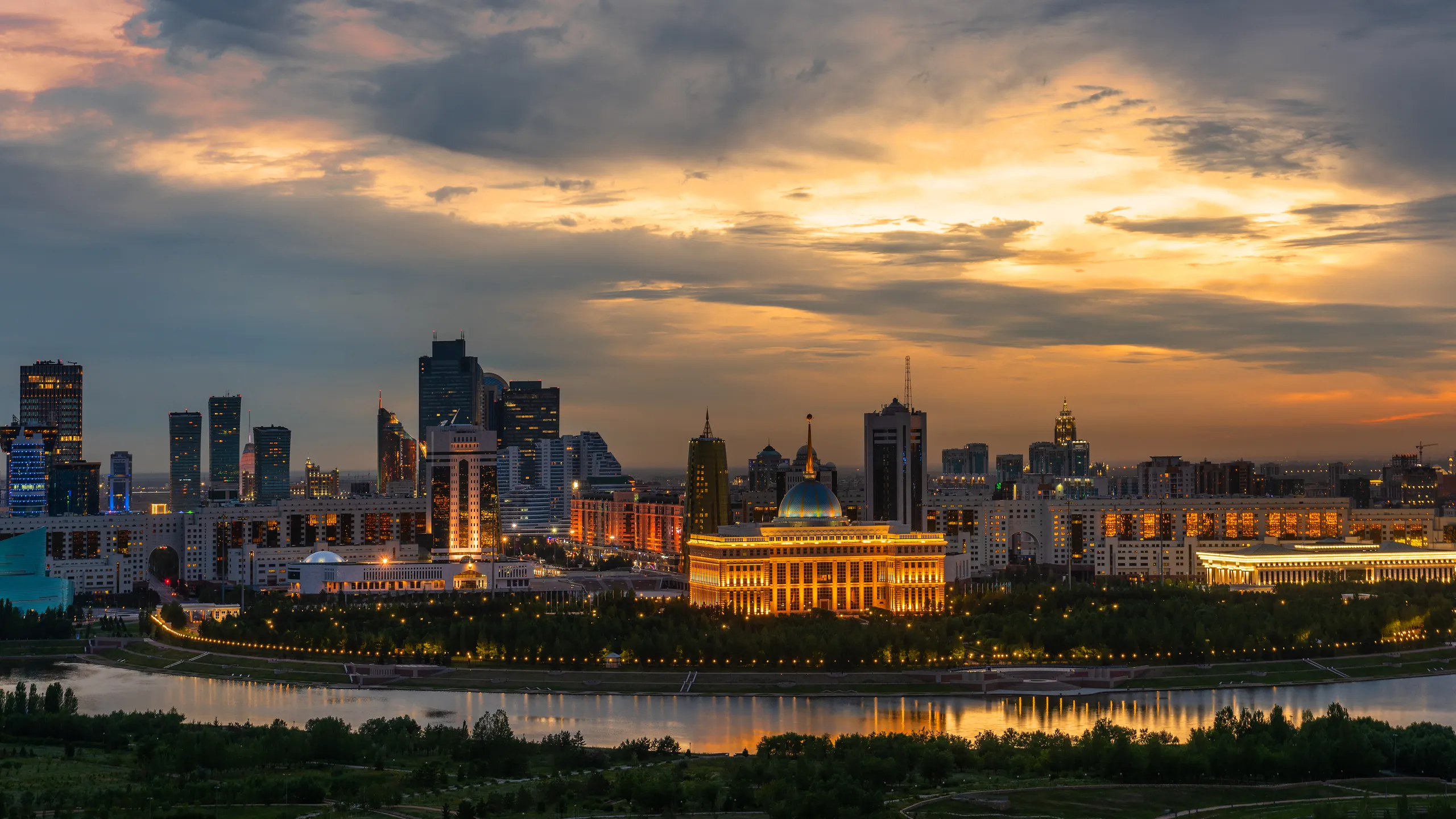
Dubadu enters the Kazakhstan market
In 2025, Dubadu — the video real estate platform — officially entered the Kazakhstan market, opening new opportunities for developers, agents, and buyers.
Now realtors in Astana, Almaty, and Shymkent can showcase properties to clients around the world, while investors can explore listings not just through photos but through immersive videos — experiencing each space, its light, and its atmosphere.
Dubadu is making the market more transparent and the buying process faster, easier, and more inspiring.