
Blog

Luxury real estate 2026: a test of resilience
Analysts at Sotheby’s International Realty note in the 2026 Luxury Outlook that, despite a challenging year for the broader housing market, the premium segment demonstrated notable resilience and enters 2026 with a solid fundamental foundation.
While the mass market in 2025 was significantly constrained by elevated interest rates and affordability concerns, the luxury sector followed a different trajectory. High-end real estate continues to retain its value — both as an investment vehicle and as an expression of lifestyle.
The Dubadu video platform takes a closer look at several key insights from the report.
Why luxury feels more confident than the broader market
The primary distinction of the high-end market lies in its lower reliance on mortgage financing and a higher share of all-cash transactions, particularly in the upper tiers. In an environment of expensive credit, this becomes a meaningful advantage: buyers are less tied to rate fluctuations and act when they identify a quality asset.
At the same time, international activity is strengthening. According to the National Association of Realtors (NAR), foreign buyer activity in the U.S. increased by 44% between April 2024 and March 2025 — the first annual rise since 2017. Florida remains the leading destination, accounting for 21% of foreign purchases, while China continues to be the largest source of capital, with $13.7 billion invested.
Affluent clients increasingly think not in terms of a single city — or even a single country — but in terms of a portfolio of locations.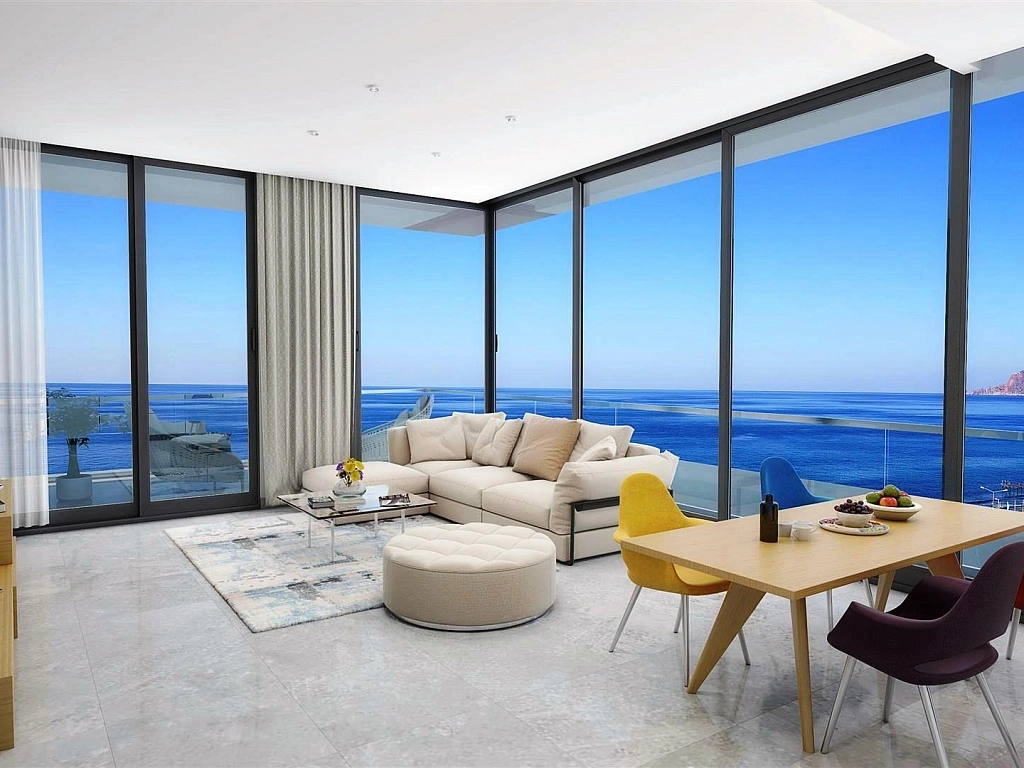
Geography is no longer a constraint: the buyer is global
In 2026, premium buyers are less geographically bound than ever. Infrastructure, quality of location, security, privacy and regulatory predictability are key considerations. Prime markets with strong fundamentals and limited supply continue to hold a structural advantage.
The report also highlights an important nuance: supply dynamics may vary even within the same city. One segment may resemble a buyer’s market, while another remains highly competitive.
Where “luxury” begins today: market specifics
Data from Realtor.com (September 2025) indicates that in the United States, the national entry threshold for luxury housing now begins at approximately $1.3 million — representing the top 10% of the most expensive homes.
For the top 5%, the threshold is around $2 million, while the “ultra-luxury” segment (top 1%) begins at approximately $5.4 million.
For comparison, in 2016 the national entry point into the luxury category stood at about $796,922. On select markets, the gap is even more pronounced:
- Los Angeles — from $3.9 million
- New York — from $2.8 million
These figures underscore a long-term structural trend: the premium segment continues to diverge from the mass market in both pricing and demand dynamics.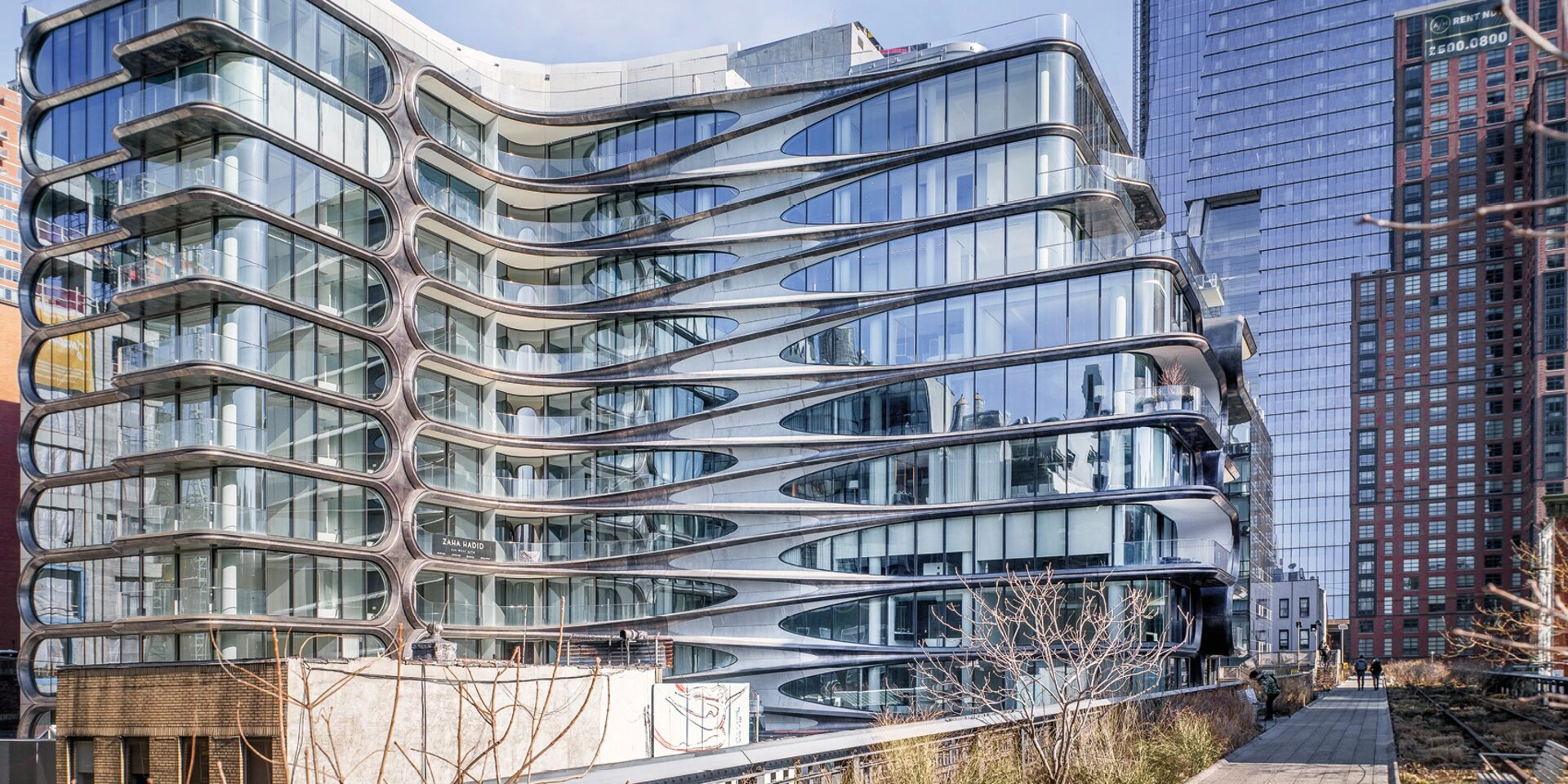
Wealth is growing — and becoming younger
One of the report’s central themes is the changing profile of luxury buyers. Purchasers are becoming younger, driven both by new wealth creation and generational wealth transfer.
According to research published by The Economist (June 2025), inheritance flows in developed economies are estimated at approximately $6 trillion, equivalent to 10% of global GDP.
Cerulli Associates estimates that by 2048, roughly $124 trillion will be transferred between generations, including about $25 trillion in real estate assets (as referenced by CNBC, citing Federal Reserve data).
The scale of these capital flows helps explain why the premium market maintains growth potential even as the broader housing market experiences more moderate dynamics.

Inflation, the stock market and the “capital effect”
The report connects the resilience of the luxury segment to the so-called capital effect: stock market gains in 2024–2025 increased household net worth. In October 2025, U.S. indices reached historic highs, reinforcing investor confidence and supporting activity in the upper price tiers.
Yet it is not merely about rising valuations. The capital effect also reflects a psychological dimension — a sense of accumulated financial stability. As asset values rise, owners feel greater freedom to diversify portfolios and allocate capital into tangible assets, including high-end real estate.
Inflation in 2025 hovered around 3% (according to the U.S. Department of Labor). In such environments, prime real estate is often viewed as a store of value.
Against this backdrop, NAR forecasts approximately 4% home price growth in 2026, while Fannie Mae expects an overall market recovery with total sales increasing by about 9.2% — suggesting a scenario of controlled stability rather than exuberance.
Crypto as a new source of demand — and a new layer of volatility
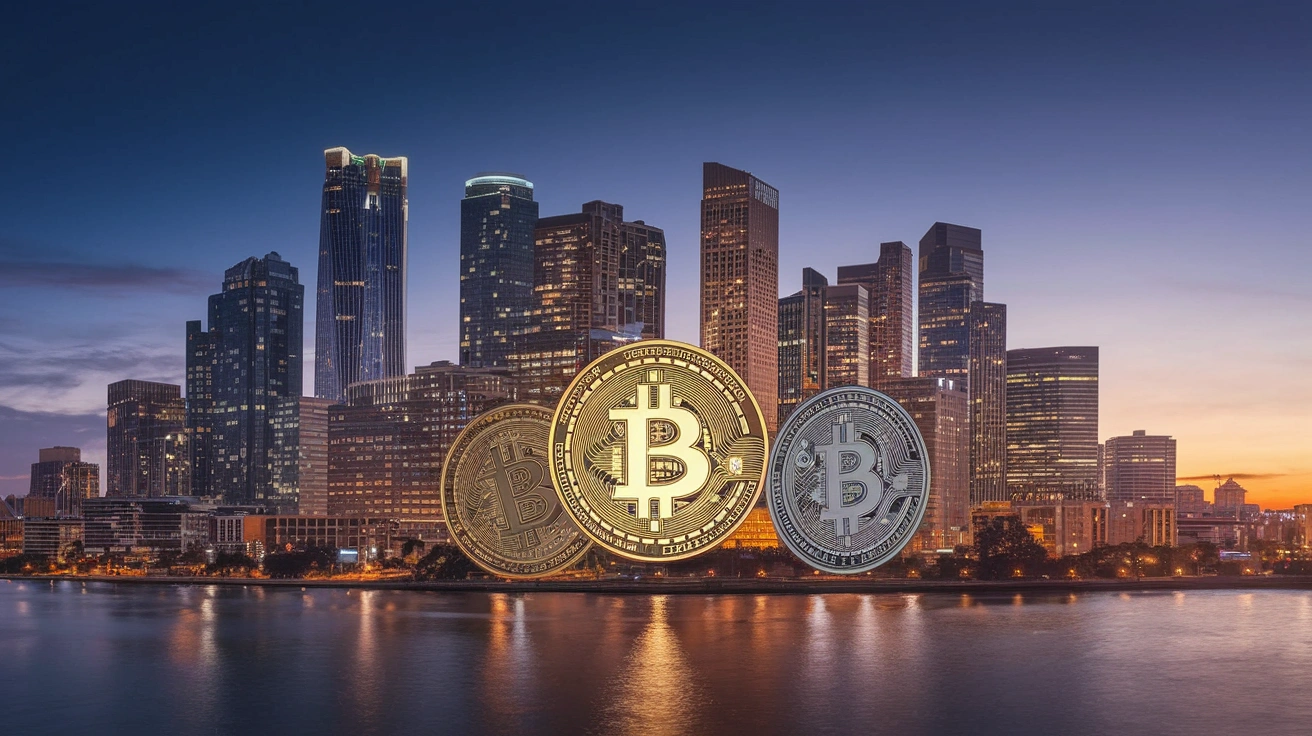
Cryptocurrency is becoming an increasingly visible component of the luxury real estate conversation. In several global hubs, sellers have shown willingness to accept digital assets, and crypto wealth has become a tangible source of purchasing power, particularly among younger buyers.
The report references the 2021 transaction in which a penthouse at Arte Surfside in Miami sold for $22.5 million using cryptocurrency. In 2024, a $4.925 million deal in Los Angeles was completed with funds derived from crypto investments.
According to Henley & Partners (2025), approximately 30% of ultra-high-net-worth individuals in Dubai hold crypto assets. Bitcoin-backed lending currently stands at an estimated $8.58 billion and could reach $45.27 billion by 2030.
At the same time, crypto market volatility may influence short-term demand fluctuations in certain segments.
Record transactions: not an anomaly, but a signal
Another key narrative of the report is that record-breaking transactions at the very top of the market serve as indicators of sustained demand. In 2025, the following notable transactions were recorded:
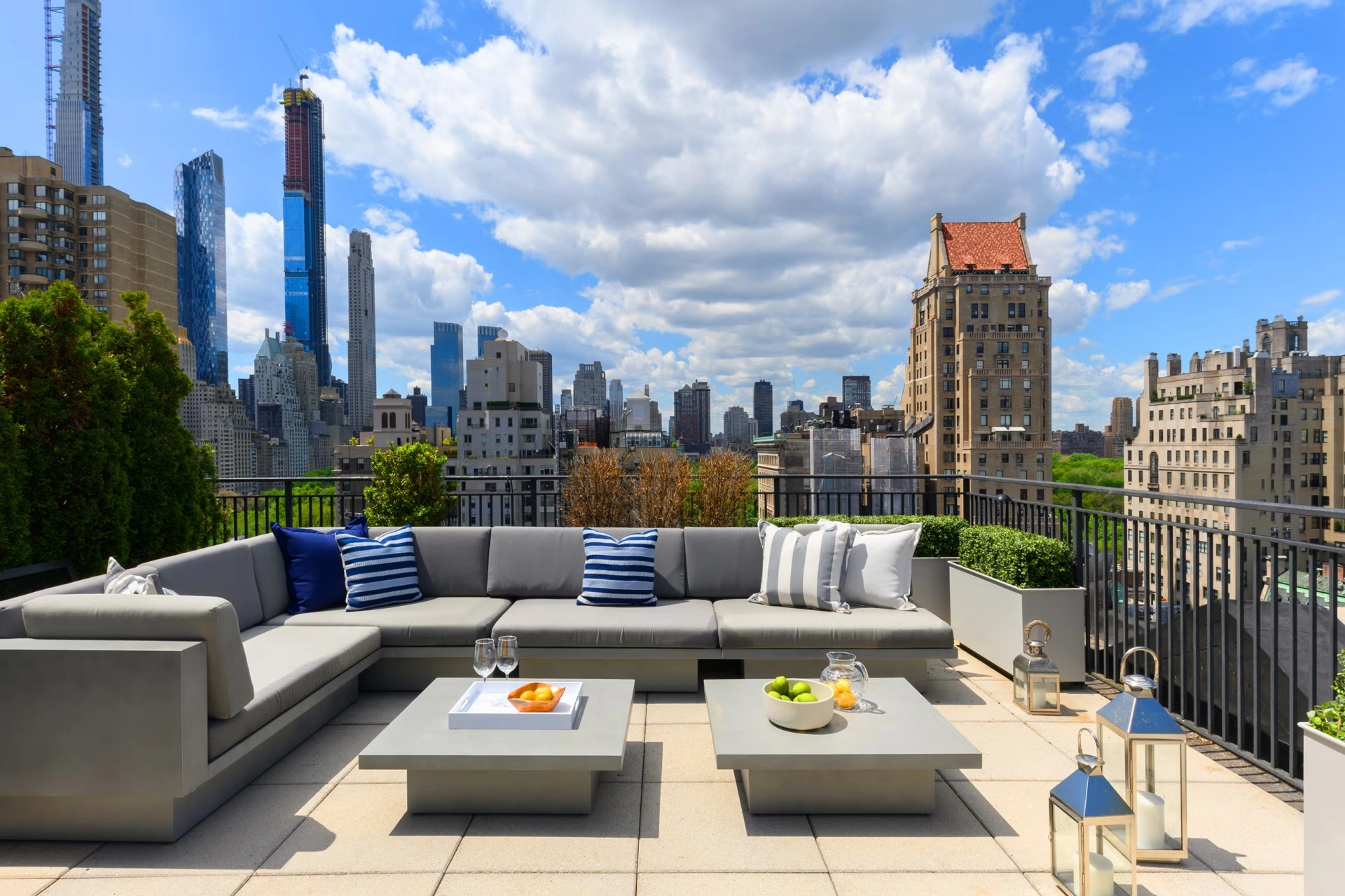
• Manhattan — penthouse in contract at $87.5 million
• San Francisco — co-op sold for $24 million
• Old Greenwich (Connecticut) — residence sold for $21 million
• San Diego — luxury home sold for $50 million
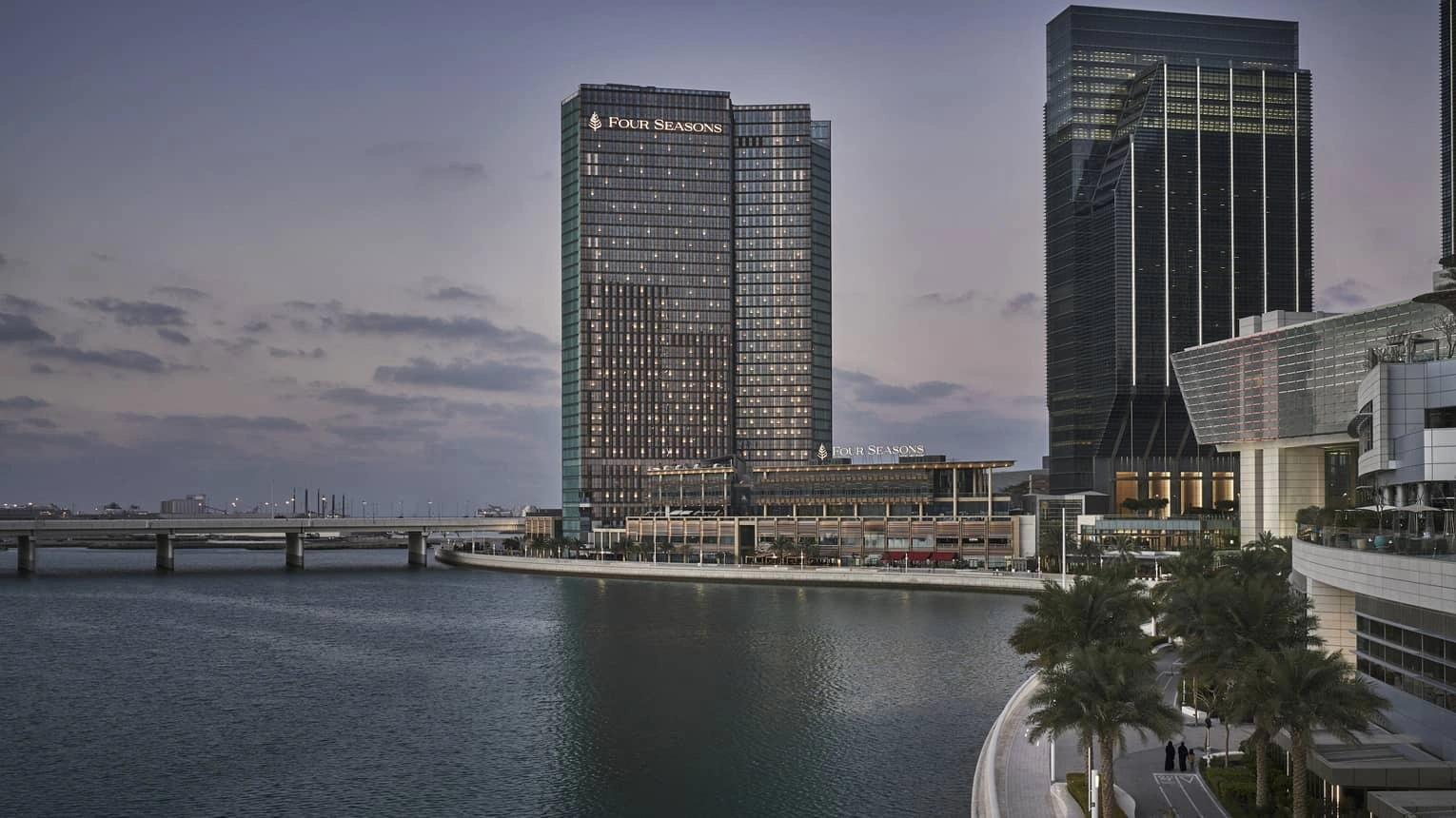
• Abu Dhabi — penthouse at Four Seasons Private Residences sold for $54.5 million, significantly surpassing the previous 2024 record of $37.3 million
Such transactions demonstrate continued appetite within the highest price brackets.

2026: a year of selectivity and pricing discipline
The overarching conclusion for 2026 is measured rather than exuberant: capital remains present, but expectations are more exacting.
High-level buyers are willing to pay for location, architecture, privacy and infrastructure — yet they are less tolerant of overpricing. Pricing discipline and product quality therefore move to the forefront.
Lifestyle considerations remain central. According to the 2026 Sotheby’s International Realty agent survey, approximately 60% of professionals report an increased emphasis on lifestyle in purchase decisions. Ski destinations, wine regions, branded residences and properties with strong wellness infrastructure continue to attract sustained interest.
While the mass market remains highly sensitive to interest rate movements, the premium segment increasingly prioritizes long-term value, comfort and the quality of everyday experience.